Controlling For Collateral Defects
As a lender, you’re on the front lines of loan quality. Strengthening your appraisal review process and reinforcing quality controls can help you avoid downstream issues and protect your rep and warrant relief.
Two of the most common collateral-related issues we cite are:
- Ineligible property – safety, soundness and structural integrity
- Subject Physical Features Reported Inaccurately – Condition/Quality of Construction (property condition and quality ratings).
To help avoid these issues and mitigate risk, we’ve highlighted the following best practices and risk controls to help strengthen your appraisal review process.
Risk mitigation and best practices to avoid common collateral defects
- Review all appraisals, even those with a Collateral Underwriter® (CU®) score below 2.5. Lenders remain responsible for ensuring property descriptions and appraisal data are accurate and complete.
- Inspect photos closely, particularly exterior shots and photos of basements.
- Review appraisal notes for structural issues like infestation, dampness, or settlement. If flagged, obtain a detailed report from a qualified professional with photos and a clear explanation of the issue and repair.
- Ensure the reports are generated by qualified experts or professionals with knowledge and relevant expertise. Reports must be detailed and contain information that explains the problem and the fixes as well as photographs showing the remedied areas.
- Verify the appraiser’s work. Appraisers are experts, but use your tools, knowledge, and experience as controls to verify the appraiser did not make a mistake.
- Share Fannie Mae feedback with appraisal management companies (AMC) to help improve appraisers’ skills, even if no action is required.
- Educate origination and QC teams by leveraging appraisal findings cited by Fannie Mae so professionals can continue to increase their knowledge bases.


Interested in receiving this newsletter and other periodic risk management and quality control updates?
Collateral Defects
Definition: Issues related to the property valuation, appraisal accuracy, or condition.
Examples: Unsupported adjustments, incorrect property type, missing comparables, or appraisal not meeting investor guidelines.
Control Tip: Ensure appraisers follow standardized methodologies and provide sufficient commentary and support for adjustments
What does structural soundness look like?
Issues around structural soundness are anything that may compromise the physical integrity of a property and jeopardize a property's marketability, value, insurability, and eligibility for sale to Fannie Mae. Identifying and addressing these risks early helps protect borrowers and prevent costly repurchase demands.
Common structural defects include:
- Water intrusion or mold
- Roof damage or leaks
- Foundation cracks or settlement
- Termite or pest damage affecting structural components
- Missing siding and/or extensive windowsill rot
Lenders must thoroughly review appraisals for these issues, which are often noted in the following areas of appraisals originated under the UAD 2.6 framework:
- Improvements
- Reconciliation
- Additional Comments
- Supplemental Addenda
- Subject photos (exterior and basement)
Why defects are flagged:
- Appraiser noted an issue, but lender didn’t follow up
- Appraiser noted an issue but said no action was needed
- Appraiser missed the issue entirely
Bottom line: Lenders must review appraisals thoroughly and act on any signs of structural concerns to maintain loan eligibility and quality.
Example #1
Particle board and wood are exposed due to missing siding and fascia trim on the front and side of this property. The appraiser noted deferred maintenance and marked the appraisal “as is.”
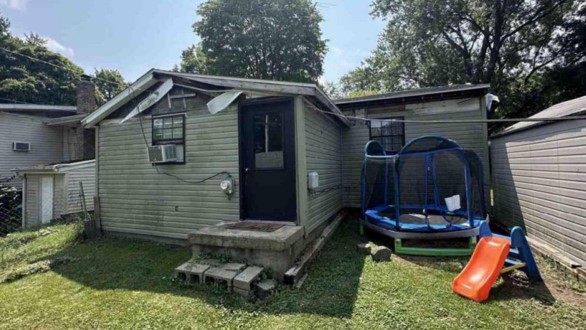
The lender is required to provide evidence that the siding and fascia have been repaired. The evidence must be a report from a qualified professional that includes photographs and details about the problem and the fix.
Example #2
The roof of this property is incomplete or under repair. The appraiser stated the roof was in “fair” condition.
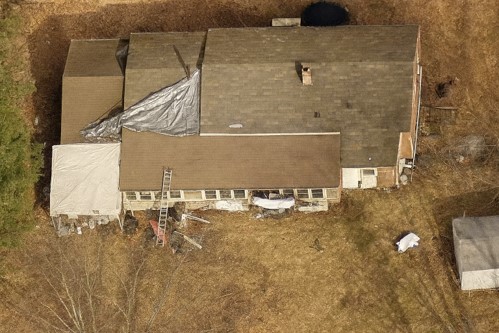
When a roof is incomplete or under repair, the lender must provide a report from a qualified professional that includes photographs and details about the problem(s) with the roof and the corrections and repairs made to the roof.
Property Condition and Quality
Condition and quality ratings contribute to a property’s value and marketability. Accurate ratings are critical to the selection of comparable sales and making proper market adjustments. Inaccurate ratings may skew the collateral value.
Appraisers must:
Conduct a holistic review. Ratings must be based on a holistic view or be reflective of the entire property, not just isolated upgrades. For example, a completely renovated kitchen with new appliances and fixtures may suggest C3 and Q3 ratings. However, if other areas of the property (such as the bathrooms), are 15 years old, the HVAC system is outdated, and the roof is nearing the end of its functional life, the property ratings would likely not be accurate as C3 or Q3 ratings solely because of the kitchen component.
Adjust based on condition and quality. Even if the subject property and the comparables share the same rating, the appraiser is required to analyze and make adjustments based on actual quality and condition differences. For example, if an appraiser rates a subject as C3 and a comparable as C3, appraisers must still apply adjustments based on their observations.
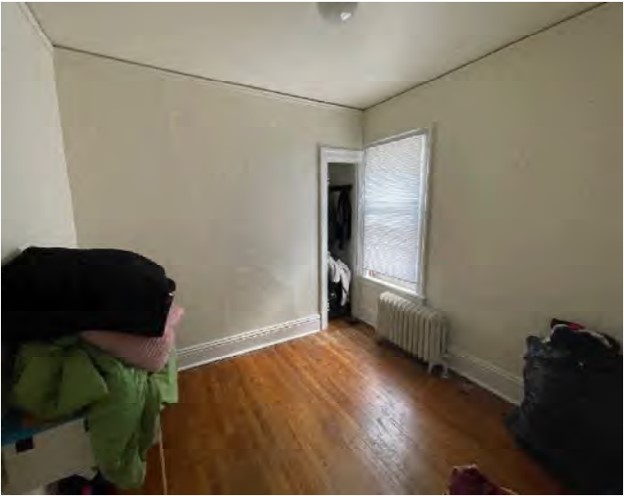
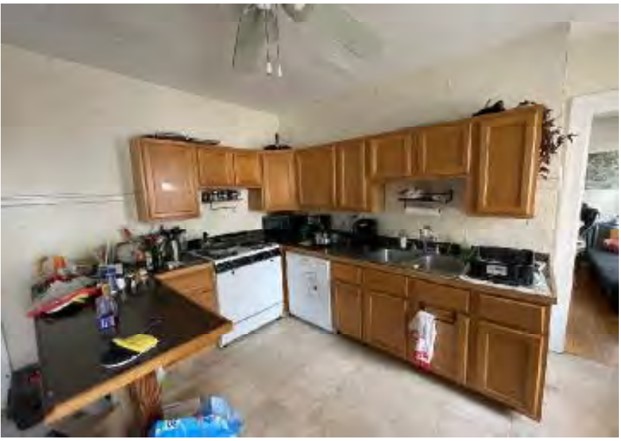
Distinguish between C3 and C4. Appraisers regularly assign a C3 rating to properties that more accurately align to the definition of a C4 rating. When a property is incorrectly rated as C3 instead of C4, the selections of comparable properties and the associated adjustments may be inaccurate. Per the Selling Guide:
- C3: The improvements are well-maintained and feature limited physical depreciation due to normal wear and tear. Some components, but not every major building component, may be updated or recently rehabilitated. The structure has been well-maintained.
- C4: The property has been adequately maintained and exhibits moderate wear and tear resulting from occupancy and exposure to elements. The dwelling may feature some updating but otherwise contains deferred maintenance items that are generally minor or cosmetic in nature.
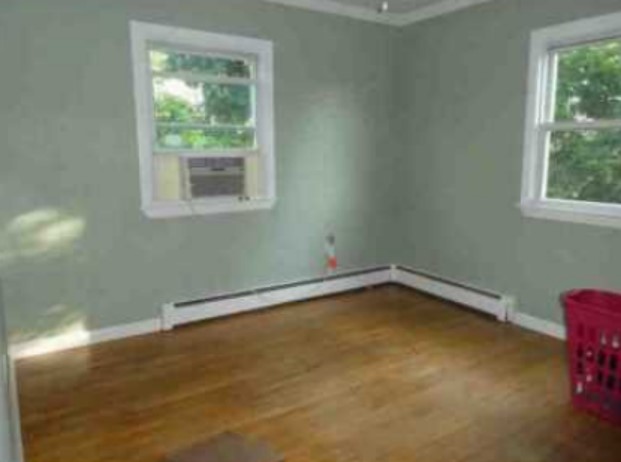
Example #1
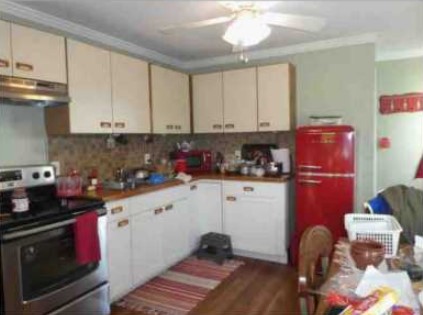
Example #2
Take control of collateral quality—review appraisals thoroughly, act on red flags, and empower your teams to protect loan integrity from the ground up. If you have questions about collateral quality, please reach out to your relationship manager or QC specialist.